ALCO BLOG
Why Natural Stone Isn’t Always the Most Ethical Choice for Worktops
And why modern alternatives are increasingly worth considering.
When planning a new kitchen or refurbishment, natural stone worktops are often seen as the premium option. Materials such as granite, marble and quartzite are associated with quality, durability and timeless design.
However, as sustainability and ethical sourcing become more important considerations for homeowners and developers, it’s worth understanding that natural stone is not always the most responsible or practical choice.
At ALCo Group, we believe in helping clients make informed decisions. That means looking beyond appearances and considering how materials are sourced, produced and used over the long term.
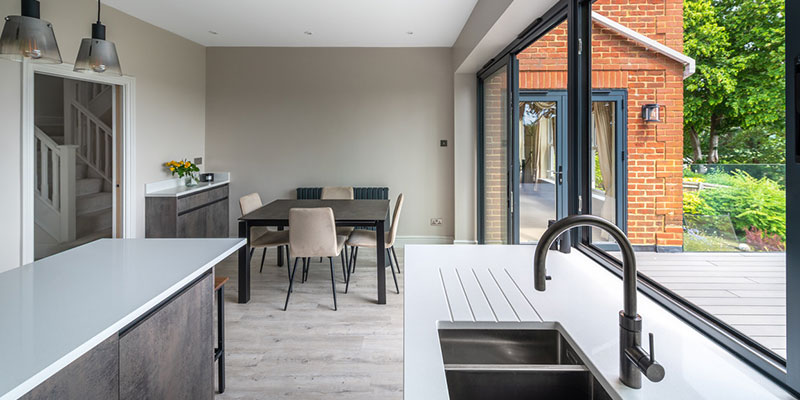
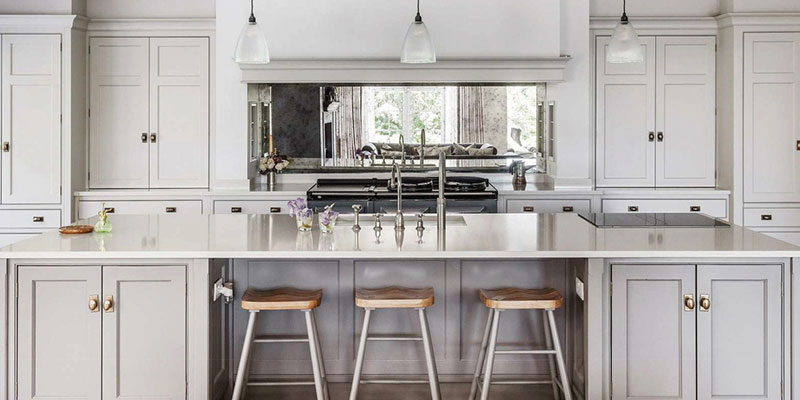
Natural stone is a raw material that must be extracted from quarries, often through large-scale operations. Quarrying can result in significant environmental impact, including landscape disruption, habitat loss and high water usage. While some quarries operate responsibly, standards vary greatly depending on location and regulation.
Another factor is transportation. Natural stone is extremely heavy and is frequently imported from overseas. Moving these materials across long distances contributes to increased carbon emissions and a larger environmental footprint before the stone even reaches site.
There are also ethical considerations to be aware of. In some parts of the world, quarrying practices may raise concerns around worker safety, labour conditions and environmental oversight. While this is not the case for all suppliers, it is something many people are unaware of when selecting natural stone.
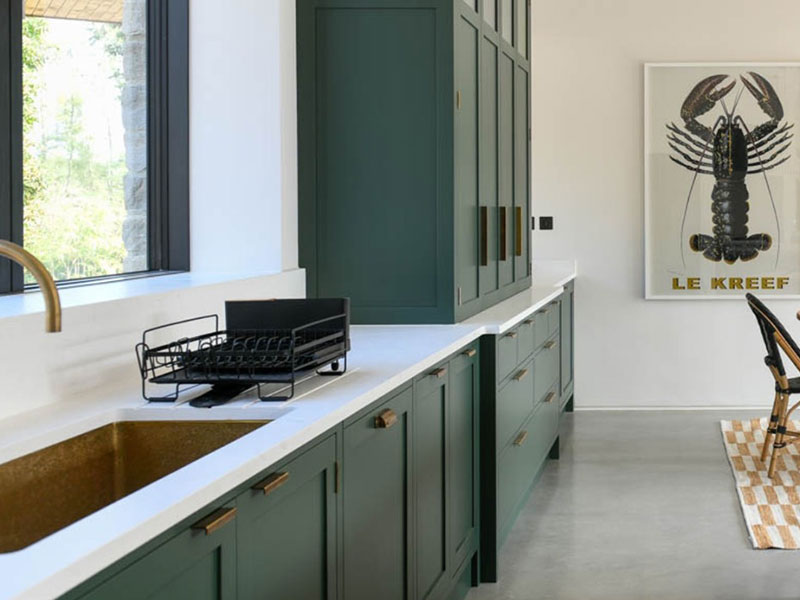
Because of these factors, modern worktop alternatives are becoming an increasingly sensible option.
Engineered quartz is one such alternative. Made by combining natural quartz with binding resins, it offers excellent durability, a non-porous surface and consistent quality. Quartz worktops are resistant to staining and bacteria, require very little maintenance and do not need sealing.
From a sustainability point of view, many quartz manufacturers now incorporate recycled materials and operate more controlled production processes, which can reduce waste compared to natural stone. When responsibly sourced and fabricated, quartz can offer a balance between performance, aesthetics and ethical considerations.

Another option worth considering is compact laminate. This modern surface is made from layers of paper and resin compressed under high pressure, resulting in a thin but extremely strong worktop. Compact laminate is moisture resistant, hygienic, lightweight and available in a wide range of contemporary finishes, including realistic stone effects.
Because compact laminate does not require quarrying and is lighter to transport and install, it often has a lower environmental impact than natural stone. It is a practical and cost-effective solution that works particularly well in modern kitchens and commercial settings.
Choosing the right worktop is not about finding a single “perfect” material. It’s about selecting the option that best suits the project, the space and the values of the client. Longevity, performance, sourcing and environmental impact all play an important role.
At ALCo Group, we take the time to guide our clients through these choices. Whether you opt for natural stone, engineered quartz or compact laminate, our focus is on ensuring the solution is well-suited to your needs, responsibly sourced and built to last.
If you’re planning a kitchen upgrade or a refurbishment project and would like expert advice on worktops, ALCo Group is here to help.